


AC NeverClog™ Glossary

1
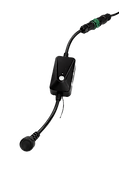
Smart Controller
AC NeverClog's smart controller is a very unique design. This contoller allows for a simple plug in. Once plugged in it will operate daily. This controller is also Wifi enabled. In the event of a lightning strike or surge this part is replaceable by the customer.

2
IP68 Smart Controller Connector
While we can't control surges, lightning storms, or flood waters we can control how simple it is for the replacement of our controller. With a simple collar twist you, the owner can easily replace this component.

3
Manifold Valve
AC NeverClogs manifold valve is a unique valve that allows the AC system to drain condensation by gravity, but blocks all debris, bugs and dust from getting into the ac drain line.

4
Flap Valve
AC NeverClogs flap valve allows for autonomous draining of condensation fluid that is sucked out of the AC drain line.
5
Wall Mount Bracket
AC NeverClog wall mount bracket allows the unit to evacuate up to 2 gallons of water. It has 3 anchor points
6
AC NeverClog™
A chemical-free, automated condensate drain line maintenance system designed to prevent clogs, water damage, and system shutdowns caused by biological growth and debris.


7
Corrugated Hose
Black corrugated hose is the line from the AC NeverClog that attaches to the manifold valve.
8
Hose Ends
Hose ends insert into the corrugated hose x2


1
3
5
4
2


6
7
8
8
9
9
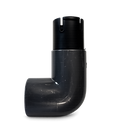
AC NeverClog Elbow to Hose
Elbow inserts into AC NeverClog unit and then attaches to the Corrugated hose
The Homeowner's Glossary to HVAC
Understanding your HVAC system as a homeowner doesn’t mean you need to repair or service it yourself. It simply helps you recognize how the system works, spot early warning signs, and address potential problems before they turn into costly repairs or damage.
Core HVAC System Basics
These explain what the AC is doing.
-
Air Handler – The indoor unit that circulates air through your home
-
Evaporator Coil – The coil that cools air and removes humidity
-
Condensing Unit – The outdoor AC unit
-
Refrigerant – The chemical that absorbs and releases heat
-
SEER Rating – Efficiency rating of an air conditioner
-
BTU – Measurement of cooling capacity
-
Thermostat – Controls temperature and system operation
-
Evaporator Drain Pan (Primary Drain Pan) (Must-Have)
Ties directly into moisture and water damage. -
Return Air - Air that is sucked from the home back into the air handler to be conditioned. This air passes through a filter and the evaporator coil.
-
Supply Vents / Registers - Conditioned air going into the home.
Moisture, Drainage & Water Damage
These directly support why AC NeverClog works so effectively.
-
Condensate – Water created when humidity is removed from the air
-
Condensate Drain Line – Pipe that removes condensate from the system
-
P-Trap – A curved pipe that prevents air from being pulled into the drain line
-
Negative Pressure – Air being pulled into the system (common in attics)
-
Drain Pan Overflow – When water backs up and spills
-
Primary Drain Line - This is where the problem occurs
Pairs with “Secondary Drain Line” for clarity. -
Emergency Drain Pan - When the primary pan overflows the water then goes to the emergency or secondary drain pan.
-
Secondary Drain Line – Backup drain used as a warning sign
-
Float Switch – Shuts down the AC when water rises
-
Condensate Pump - A condensation pump is designed to take water that cannot exit by gravity. Often times homeowners think this can fix the problem. It also needs to be maintained and grows bacteria causing clogs within the condensate pump.
Very common in basements and attics; often fails. -
Standing Water - Growth comes when water is standing stagnant or moving slowly within the line and or pan.
-
Water Damage – Damage caused by leaking condensate
Air Quality & Health
- Indoor Air Quality (IAQ) – Overall cleanliness of indoor air
- Zoogloea - Is a sticky slime that grows in AC drain lines when moisture and bacteria are present.
-
MERV Rating – How well an air filter traps particles
-
Allergens – Airborne particles like pollen and pet dander
-
Mold Spores – Microscopic particles that can grow in moist environments
-
Humidity Level – Amount of moisture in indoor air
-
Biofilm – Slime buildup inside drain lines (zooglea)
-
Dust & Debris - This helps the zooglea bacteria grow quickly. It enters through your drain line.
-
Airborne Contaminants - Airborne contaminants are microscopic particles and microorganisms, such as dust, pollen, mold spores, and bacteria, that circulate through a home’s air and HVAC system.
-
Dehumidification - Dehumidification is the process of removing excess moisture from indoor air through an HVAC system to reduce humidity, limit mold and bacteria growth, and improve comfort.
Common Problems & Failures
-
Short Cycling – AC turning on and off too frequently
-
Restricted Airflow – Reduced air movement due to dirty filters or blockages
-
System Shutdown – AC turns off to prevent damage
-
Overflow Switch Activation – Safety shutoff caused by water backup
-
Emergency Service Call – Unplanned HVAC repair visit
-
Water Leak - Occurs when an HVAC system fails to properly drain condensate, causing water to overflow into ceilings, walls, or living spaces.
-
Ceiling Stains - Marks or discoloration caused by leaking HVAC condensate or clogged drain lines allowing water to soak into ceiling materials.
-
Musty Odor - A musty odor is an unpleasant smell produced by moisture buildup and biological growth inside HVAC components like drain pans and coils.
Maintenance & Prevention
-
Preventative Maintenance – Stopping problems before they happen
- Seasonal Maintenance – Recommended AC checkups
-
Chemical Drain Cleaning – Bleach or tablets (temporary solutions)
-
Manual Drain Cleaning – Using a vacuum or air pressure
-
Automated Maintenance – Self-running system care (AC NeverClog)
-
Preventative HVAC Maintenance - involves scheduled service tasks that reduce wear, moisture issues, and system failures.
-
Hands-Free Maintenance - Describes HVAC solutions that automatically manage maintenance tasks without homeowner or technician involvement.
-
Service Call Reduction – Fewer breakdowns and repairs
Electrical & Safety
-
GFCI Outlet – Protects against electrical shock
- Surge Protection – Guards electronics from power spikes
-
Low Voltage Controls – Wiring used for system signals
-
Power Interruption – Loss of electricity to the system
-
Safety Shutoff - Prevents HVAC operation when conditions like clogged drain lines or water leaks could cause damage.
-
Power Surge - An abrupt increase in electrical power that can disrupt or damage HVAC system electronics.
Smart & Modern HVAC Concepts
-
Smart Thermostat – Wi-Fi enabled temperature control
- Automation – Systems that run without manual input
-
Remote Monitoring – Checking system status from a phone
-
Energy Efficiency – Using less power for the same comfort
-
Smart HVAC System - Automatically adjusts comfort settings and system operation using connected technology and remote controls.
-
Automation Schedule - HVAC-related devices to run automatically on a predefined timing sequence.
-
Remote Alerts - Remote alerts notify users of HVAC system problems or abnormal conditions without requiring on-site checks.
Homeowner Protection & Peace of Mind
-
Water Damage Prevention - Involves controlling condensate, drainage, and moisture in HVAC systems to avoid leaks and property damage.
- Property Protection - Preventing HVAC-related leaks and moisture issues that can damage ceilings, walls, and flooring.
-
Peace of Mind - Confidence and reassurance homeowners gain from knowing their HVAC system is protected against unexpected failures, leaks, and moisture-related damage.
-
Unexpected Repairs - Surprise HVAC problems that require immediate attention and expense.

