
Why AC Drain Lines Clog
- AC NeverClog

- Dec 30, 2025
- 3 min read
How AC Drain Lines Work
AC drain lines carry away the moisture that your air conditioner removes from the air inside your home. When your AC runs, it cools the air, and moisture condenses on the evaporator coil. This water needs to drain out through a pipe, usually called the condensate drain line. If this line becomes blocked, water can back up and cause leaks or damage to your system.
What Causes AC Drain Lines to Clog
Most clogs develop gradually because of a buildup inside the drain line. Here are the main causes:
Moisture: The constant presence of water inside the drain line creates a perfect environment for growth.
Dust and Dirt: Dust particles from the air can enter the drain line and stick to the moist surfaces.
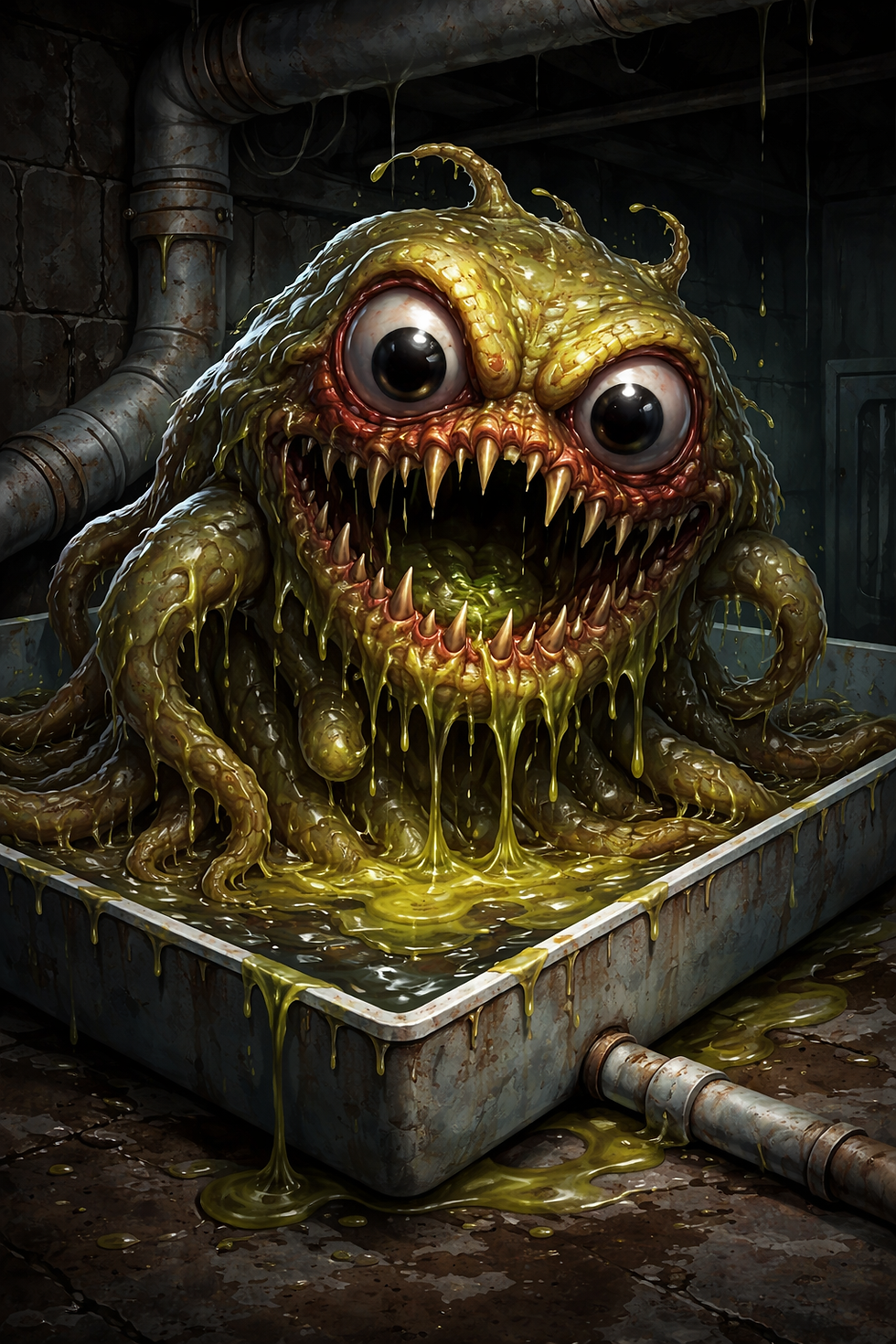
Organic Material: Mold, algae, and slime form inside the pipe as organic material accumulates.
Debris: Sometimes leaves, small insects, or other debris can enter the drain line opening and cause blockages.
Over time, these materials combine to form a thick, slimy layer that restricts water flow. This slime can be tough to remove if it’s allowed to build up for too long.
Why Treating Clogs Only After They Happen Isn’t Enough
Many people wait until they notice water leaking or a musty smell before cleaning their AC drain line. Unfortunately, this
approach only treats the symptom, not the cause. Since buildup happens slowly, the clog
will likely return if you don’t take steps to prevent it.
Ignoring the problem can lead to:
Water damage to walls, ceilings, or floors
Mold growth inside your home
Reduced efficiency of your AC system
Costly repairs or replacement of parts
Regular maintenance and cleaning can stop clogs before they cause these issues.
How to Prevent AC Drain Line Clogs
Preventing clogs involves keeping the drain line clean and free of debris. Here are some practical tips:
Regular Cleaning: Flush the drain line with a mixture of water and vinegar every few months. Vinegar helps kill mold and algae.
Use a Wet/Dry Vacuum: If you notice slow drainage, use a vacuum to suck out the clog from the drain line’s end.
Install a Drain Line Filter: This can catch dust and debris before they enter the pipe.
Check the Drain Pan: Make sure the pan under the evaporator coil is clean and draining properly.
Schedule Professional Maintenance: HVAC technicians can inspect and clean your system thoroughly during routine service visits.
Signs Your AC Drain Line Might Be Clogged
Knowing the warning signs can help you act early:
Water pooling around your indoor AC unit
Musty or moldy smells inside your home
AC system shutting off unexpectedly
Higher humidity levels indoors
Visible slime or mold near the drain line opening
If you notice any of these, it’s time to check your drain line.
What to Do If Your AC Drain Line Is Clogged
If you find a clog, here’s a simple way to clear it:
Turn off your AC system to avoid water damage.
Locate the drain line access point, usually near the indoor unit.
Use a wet/dry vacuum to remove the clog from the pipe’s end.
Flush the line with a vinegar and water solution to kill any remaining slime.
Check that water flows freely through the drain line.
If the clog persists or you’re uncomfortable doing this yourself, call a professional HVAC technician.
The Importance of Routine Maintenance
Routine maintenance is the best way to keep your AC drain line clear. It saves money by preventing damage and keeps your system running efficiently. Many HVAC companies offer maintenance plans that include drain line cleaning.
By staying proactive, you avoid the frustration of repeated clogs and protect your home from water damage.


Comments